
Fire Alarm System Installation, Design & Commissioning
BS 5839-compliant fire detection and alarm systems for commercial, industrial and residential buildings across the UK. Designed, installed, commissioned, maintained and fault-found by our own engineers. All in-house, BAFE-registered, FIA-member.
We deliver every category of fire alarm system under BS 5839, from a single-panel manual setup in a small office through to multi-panel networked estates with thousands of devices, voice alarm integration and full life-safety monitoring. Whatever the building, whatever the risk profile, the same WSD engineers handle the design, the install, the commissioning and the ongoing maintenance.
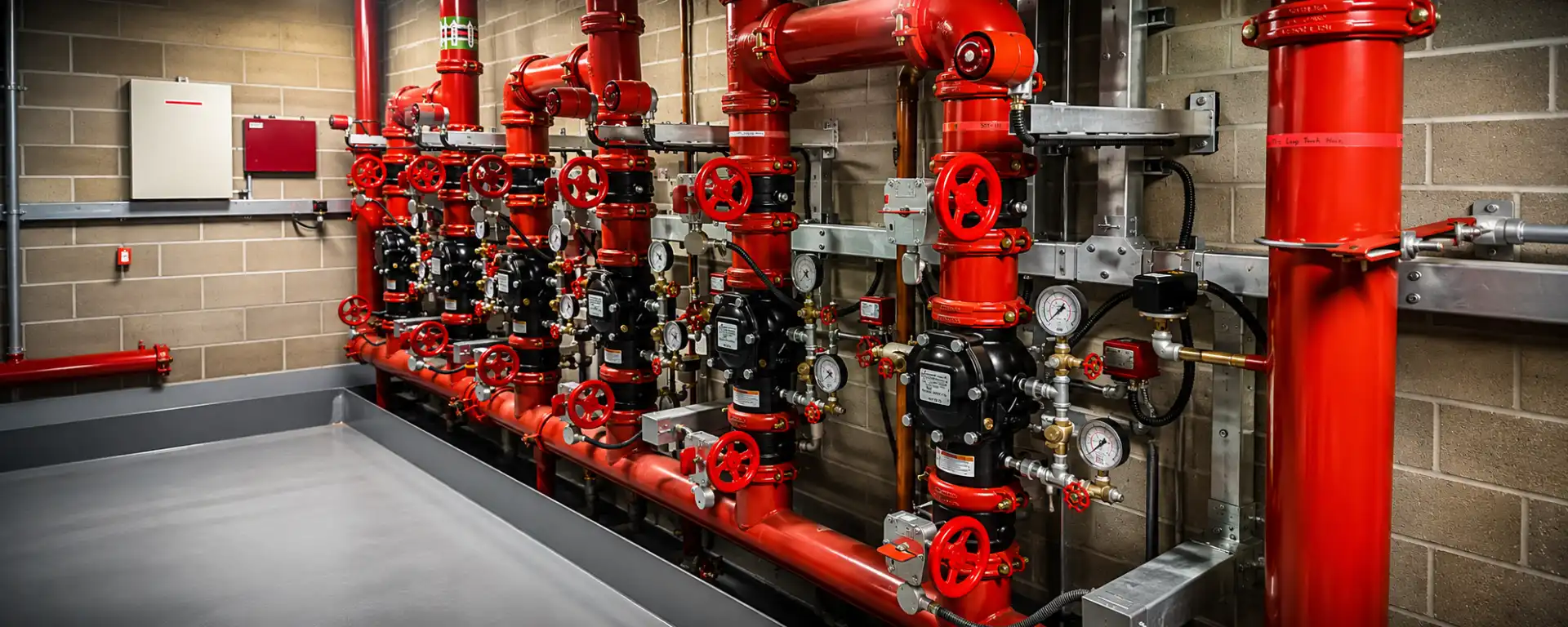
Every fire alarm WSD installs is designed against the building’s actual fire strategy, not a generic template. We work to BS 5839-1 for non-domestic buildings, BS 5839-6 for dwellings, and BS 5839-8 where voice alarm or public address voice alarm is required.
We design and install:
- Addressable fire alarm systems for medium and large buildings where individual device identification matters
- Conventional fire alarm systems for smaller buildings where zone-level identification is sufficient
- Hybrid systems combining addressable and conventional zones for cost-balanced retrofits
- Networked multi-panel systems for large estates, multi-tenant buildings and campus environments
- Voice alarm (VA) systems to BS 5839-8 for phased evacuation and emergency messaging
- PA-VA systems combining everyday public address with fire alarm voice messaging
- Wireless fire alarm systems for heritage buildings and sites where cabling is impractical
If you’re not sure which category your building needs, the section below explains how the BS 5839 categories work. Or just talk to us and we’ll walk you through it against your fire risk assessment.
BS 5839 categories explained
BS 5839-1 splits fire alarm systems into three broad types: manual (M), life protection (L) and property protection (P). The category tells you what the system is designed to protect, not the technology behind it.
Category M – Manual systems. Call points only, no automatic detection. Required as the minimum standard in many commercial buildings, but rarely sufficient on its own.
Category L1 – Maximum life protection. Automatic detection throughout the entire building including roof voids, storage cupboards and plant rooms. Provides the earliest possible warning to anyone in the building.
Category L2 – Life protection in escape routes, rooms opening onto escape routes, and high-risk rooms. A step up from L3 where specific risks (kitchens, plant rooms, sleeping accommodation) warrant additional detection.
Category L3 – Life protection in escape routes and rooms opening onto escape routes. Gives occupants more time to leave the building than L4 by detecting fire before it reaches the escape route itself.
Category L4 – Life protection in escape routes only. The minimum level of automatic detection that still gives escape route warning. Common in lower-risk commercial buildings.
Category L5 – Custom life protection. A bespoke specification driven by a specific fire risk assessment. Used where standard categories don’t fit the building’s risk profile.
Category P1 – Maximum property protection. Automatic detection throughout the entire building, designed for the earliest possible warning to allow property protection response.
Category P2 – Property protection in defined high-risk areas only. Often used where insurance requires automatic detection in specific zones such as server rooms or archives.
The category your building needs is determined by your fire risk assessment and any specific requirements from your insurer, the local fire authority, or the building’s funder. If you’ve inherited a system and aren’t sure which category it was designed to, we can verify it as part of a takeover survey.
Commissioning, testing and certification
Every system we install is fully commissioned to BS 5839 before handover. That includes loop diagnostics, cable resistance testing, functional testing of every device, cause-and-effect testing across the full programmed matrix, integration testing with linked systems (suppression release, smoke control, BMS, lift homing), the BS 5839 commissioning certificate issued on completion, as-fitted drawings and the asset register handed over, on-site training for the people who’ll use the system day-to-day, and a maintenance and zone plan posted at the panel.
The same engineers who designed the system commission it. We don’t sub-contract commissioning out to a third party.
Recent Fire Alarm System Installation, Design & Commissioning installs & upgrades.
A small selection of jobs we have delivered or maintain in this area.
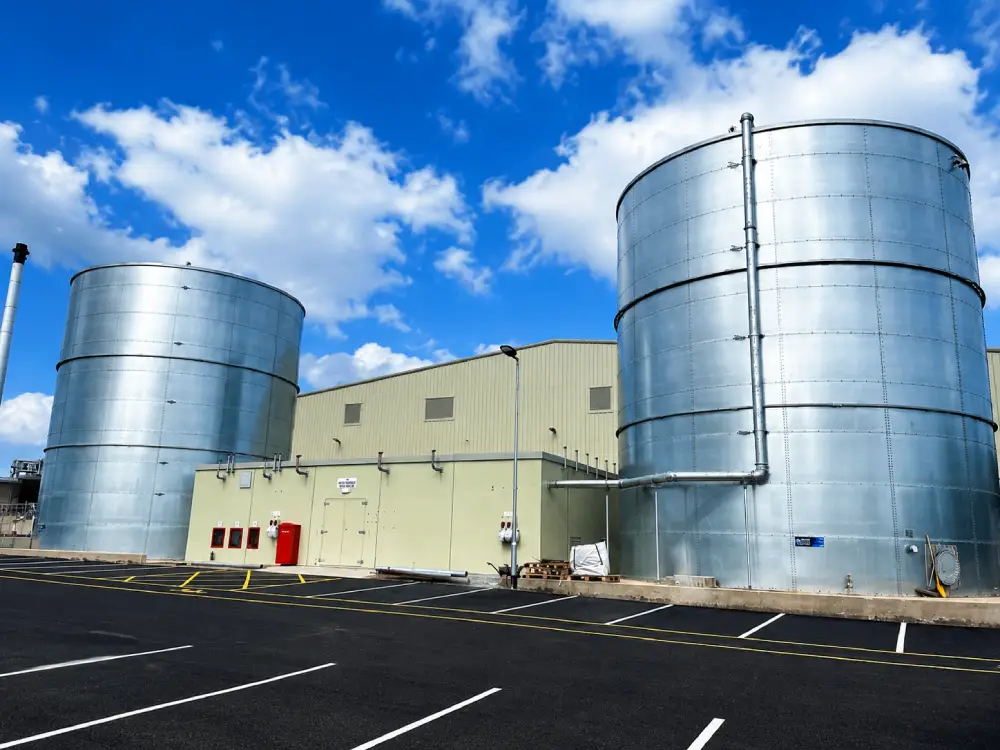
Sherborne MRF Sprinkler Upgrade
Replacement of zone-check systems and upgraded pump controls across a 12,000 m² material recovery facility, completed in two phased weekend shutdowns.
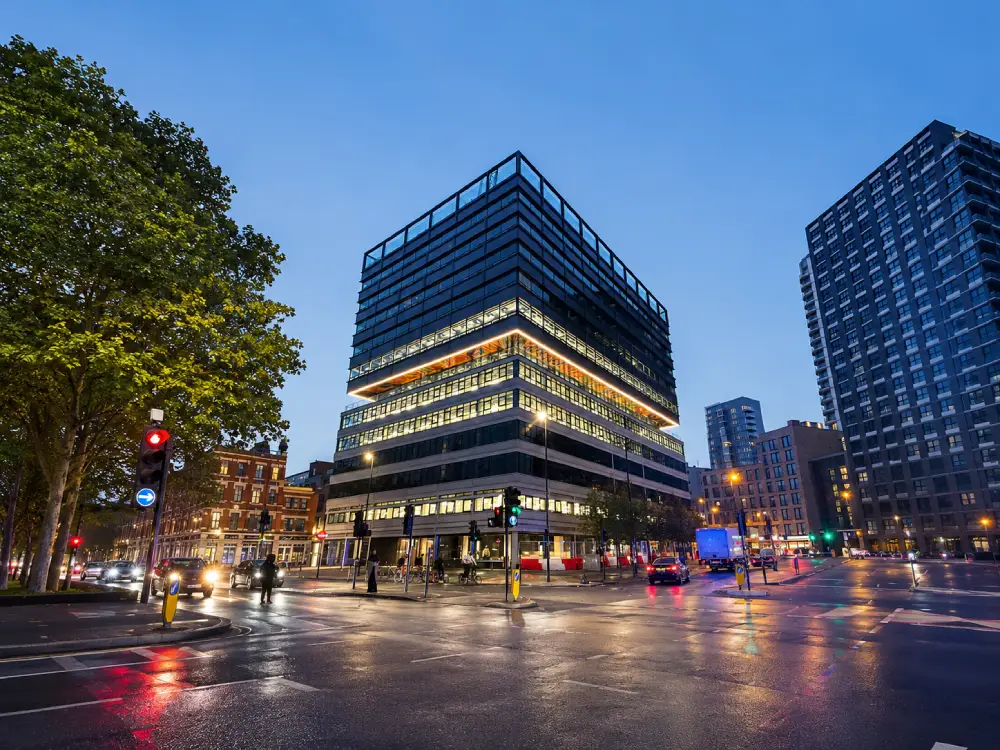
Central House
Networked addressable fire alarm system across 400+ devices, with graphics-panel monitoring and an ongoing maintenance contract.
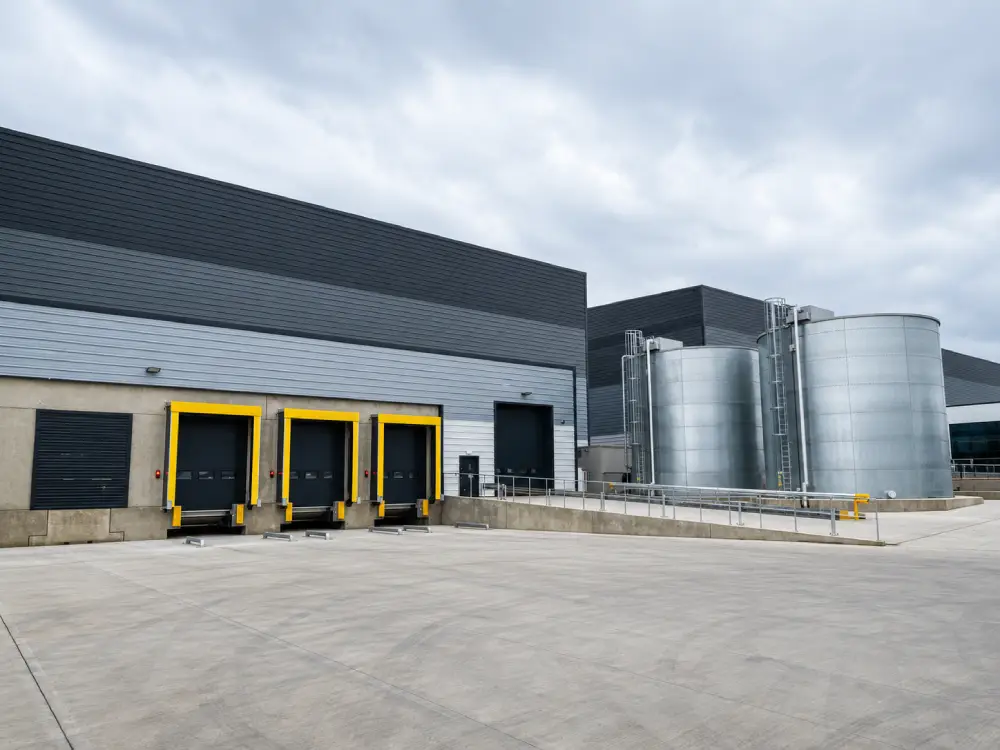
Ley & Wheeler Warehouse & Distribution
Self-regulating trace heating installation for sprinkler tanks and pipework in a −25 °C cold storage facility.
Got questions? We've answered the common ones.
Quick answers on cover, callout times, accreditations and what working with us actually looks like. Still got a question? Get in touch.
Can you install voice alarm systems?
Yes, both VA and PA-VA, designed and commissioned to BS 5839-8. Common in high-rise residential, shopping centres, transport hubs and large commercial buildings.
Do you handle Fire Risk Assessments?
We don’t carry out FRAs ourselves but we coordinate them through accredited fire safety professionals we work with regularly. If you need an FRA alongside an alarm project, we’ll arrange it and feed the findings into the design.
What’s a Cat P1 fire alarm system?
The highest level of property protection. Automatic detection throughout the entire building, designed for the earliest possible warning to allow a property protection response (typically a call to a remote monitoring centre or fire brigade). Often required by insurers for high-value buildings or critical infrastructure.
What’s a Cat L1 fire alarm system?
The highest level of life protection under BS 5839-1. Automatic detection throughout the entire building, including voids, cupboards and plant rooms. Provides the earliest possible warning to anyone in the building. Typically required in hotels, care homes, and any building where occupants may be asleep or otherwise vulnerable.
Do you cover the whole UK?
Yes, we deliver maintenance contracts and projects nationally from our Bromsgrove HQ. Most of mainland Britain is within a routine response window for reactive maintenance work.
Sites further from the Midlands may have slightly longer response windows for reactive call-outs; we can provide a map of typical response times by area during the initial survey if it’s relevant to your site.
What’s the difference between addressable and conventional fire alarms?
A conventional system divides the building into zones and tells you which zone an alarm has come from. An addressable system identifies the exact device within the zone. Addressable is the standard for medium and large buildings now because it makes fault-finding and maintenance much faster, and because the cost difference at the device level has narrowed significantly over the last decade.
How often do fire alarms need to be tested?
BS 5839 recommends a weekly user test (a single call point activated to check the alarm sounds), six-monthly servicing visits at a minimum, and an annual full functional test of every device. Most of our maintenance contracts are structured around four quarterly visits to spread the workload.